Management Placement Q&A
Tuesday 17 February 2026

 Third-year Management students have the opportunity to immerse themselves in the creative industries through an extended Industry Placement module.
Pippa Lea (pictured, right) is the module leader. She has over 25 years’ experience in arts marketing and PR, working in senior roles at the National Portrait Gallery, Liverpool Everyman and Playhouse Theatres, Floral Pavilion Theatre and Conference Centre, FACT Liverpool and the Llangollen International Musical Eisteddfod.
We spoke with Pippa about what the placement involves and how it prepares students for the careers they want.
What is the third-year Industry Placement?
The placement module has now been running for 25 years. It’s an extended placement designed to reflect each student’s ambitions. Students complete 240 hours of professional practice over three months, from mid-September to mid-December - so typically the equivalent of three days a week. This means they also have time to continue with some course work and begin preparing for their dissertation.
As an alternative to the placement, students can apply for the Enterprise Project module, spending the same three-month period developing their own business concept. Previous examples of this include independent music publishers Sentric Music and most recently, Kerri Ankrah-Lucas' social enterprise, Decks in the City, and Bohush Horvath’s affordable recording studios, Bo Hush Studios.
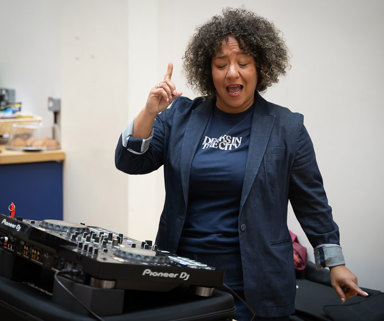 Image: Kerri Ankrah-Lucas, Decks in the City.
How is a placement chosen?
Students begin planning in their second year during the Personal & Professional Development module. This is where they explore career ambitions, identify areas they want to develop and start considering the kind of organisation that would suit them.
We make this process collaborative. Students have access to a wide network of organisations we’ve built strong relationships with over many years, as well as opportunities to meet industry leaders through masterclasses and seminars at LIPA. While students take the lead, they receive extensive guidance and support from staff to ensure their placement aligns with their goals.
Can you give us a flavour of where students were placed this year?
This year, 34 students were on placement, gaining experience across the creative and performing arts industries. We have company managers at English National Ballet working on productions at Sadler’s Wells; marketing and production assistants at Hope Mill Theatre, Manchester; students at record labels, including Modern Sky and The Big Condo and live event management placements at the Coop Live, Manchester and Culture Liverpool.
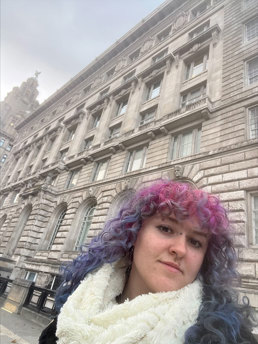 Image: Lilo McKeague-Pittman on placement at Culture Liverpool.
How does LIPA prepare students for their placement?
Preparation starts in first year, when students design and deliver a creative or performing arts project. This is tutor-led, there is freedom but it’s guided freedom.
In second year, that freedom expands. Students take much more responsibility as they plan, strategise and deliver an event, with staff acting largely as supervisors.
By the time they reach third-year, students have already built the skills they need - organisation, communication, problem-solving and creative leadership - and are ready to take a more self-directed role during their placement.
Why is the placement such an important part of the course?
A three-month placement gives students space to really understand how an organisation works. The first few weeks often involve observing and shadowing. As students settle in, they begin taking on responsibilities and building trust. By the third month, many feel confident enough to contribute their own ideas and take the initiative.
Do students ever end up working for their placement organisation?
Yes - and often. Last year, 65% of students received a job offer by the end of their placement. These ranged from part-time paid roles that continued alongside studies, to freelance work, to full-time positions following graduation.
How does your industry experience support students?
I help students understand the range of roles available and how each option fits into their developing career plans. Over the years I’ve built a large contacts book, so I can help them connect with the right people at the right time.
There are always nerves around starting a placement - I’ve been on the other side as a LIPA placement host before I came to work here - so I can guide them through what’s expected, how to settle in and how to make the most of each opportunity.
LIPA Management staff have extensive industry experience. How does that benefit students?
It means our teaching is rooted in the real world. The creative industries move quickly, and our ongoing work and networks keep us close to emerging trends. We’re constantly updating our curriculum to reflect not just the industry as it is, but where it’s heading.
This is also where the Industry Placement helps our teaching as students return with that first-hand experience of what is happening now. When all the third-years return in January, we arrange a ‘sharing day’ for our BA and MA management students where third-years deliver presentations about their experiences and what they’ve learned. They come back from placement confident, informed and able to apply their learning to real world situations.
It’s always an uplifting time for me personally to witness how over this three-month placement they have matured and developed into confident, experienced creative managers. It’s an invaluable part of our degree.
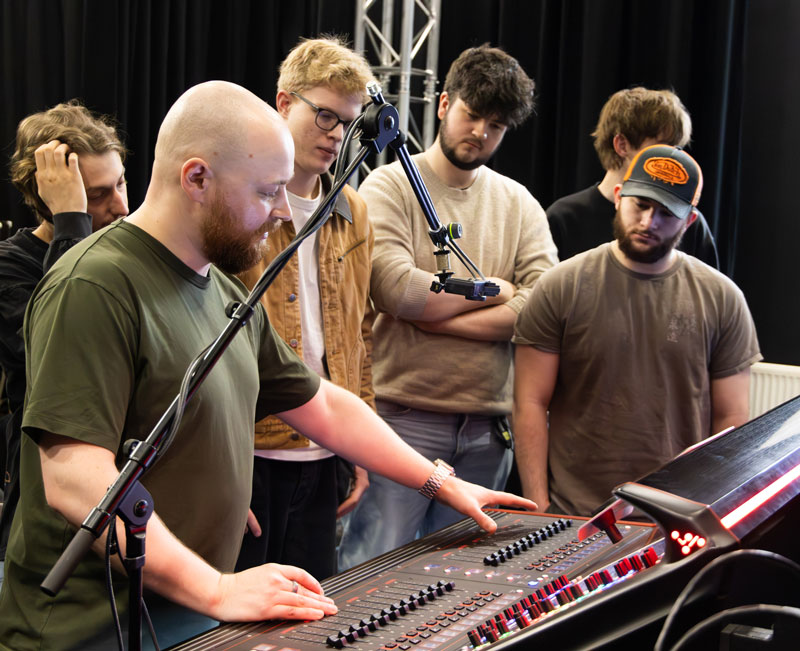
The top image is from River of Light, an event organised by Culture Liverpool which Management students regularly work on while on placement.
Find out more about our Management courses
All photographs by Brian Roberts - except Lilo's selfie